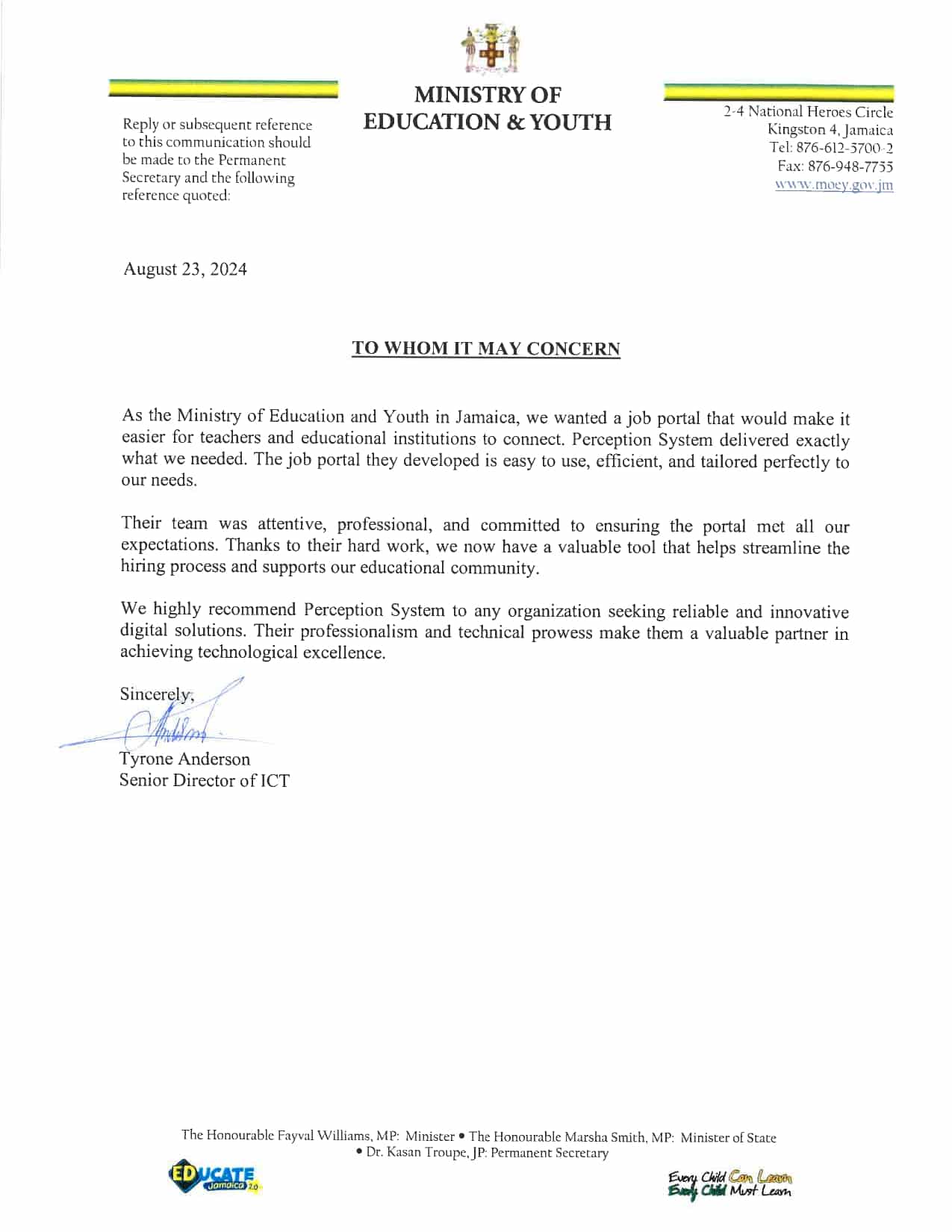

Our Customers



Why Choose Perception System’s
Moodle Development Service?
When you opt to engage Moodle developers from Perception System, you’re selecting a team distinguished by unmatched proficiency, extensive experience, and a demonstrated history of delivering extraordinary Moodle solutions. Our developers possess not only a deep mastery of Moodle’s foundational functionalities but also an exceptional aptitude for tailoring and enhancing Moodle platforms to seamlessly align with your unique organizational goals and aspirations.
Expert Moodle Development Team
Our team of developers possesses profound expertise in the intricate architecture of Moodle. With a history of crafting bespoke solutions, we have successfully served clients across diverse industries, including academia, corporate training, and eLearning, delivering exceptional results to their specific needs.
Customized Solutions for Every Need
At Perception System, we recognize that every client’s objectives and challenges are distinct. That’s why we invest the time to thoroughly understand your vision, obstacles, and expectations, enabling us to deliver Moodle development solutions that are meticulously tailored to meet your unique requirements.
Focus on Scalability & Security
Our Moodle solutions are designed to be robust, secure, and highly scalable. This ensures that as your organization expands, your platform evolves seamlessly without compromising its reliability, performance, or the quality of the user experience.
Start Your Project Today with Perception System’s Moodle Experts!
Our Moodle Development Services
We provide an extensive suite of Moodle development services designed to cater to the varied requirements of our clients. Whether your objectives include seamless Moodle integration, bespoke theme customization, or the creation of a mobile application, our skilled team is equipped with the expertise to transform your vision into reality.
Moodle Customization & Theme Development
The design and functionality of your Moodle site significantly impact user engagement. At Perception System, we excel in crafting custom Moodle themes that combine aesthetic appeal with intuitive usability. Our developers can also adapt Moodle’s core functionalities to align seamlessly with your specific needs, delivering a personalized and branded experience that resonates with your users.
Moodle Plugin Development
Moodle’s open-source framework enables extensive customization, and plugins are an effective way to elevate its capabilities. Our team specializes in developing custom plugins that expand Moodle’s features, including advanced analytics, gamification tools, and integrations with third-party solutions like payment gateways and CRM systems. We work with you to implement the tools necessary to create a more engaging and enriched learning environment.
Moodle Integration Services
For many businesses and educational institutions, seamless integration with other systems is essential. We provide expert Moodle integration services to connect your platform with tools like CRM software, payment gateways, and learning content management systems (LCMS). Our solutions ensure streamlined operations, enhanced data flow, and an improved user experience across all touchpoints.
Moodle Mobile App Development
As mobile learning becomes increasingly vital, a customized Moodle mobile application can enhance accessibility and user engagement. We specialize in building Moodle mobile apps compatible with both iOS and Android platforms, enabling learners to access content, complete assessments, and interact with the platform effortlessly, anytime and anywhere.
Moodle Hosting & Maintenance
Reliable hosting and consistent maintenance are crucial for ensuring the seamless performance of your Moodle platform. At Perception System, we offer secure, high-performance hosting solutions tailored specifically to Moodle. Additionally, our comprehensive maintenance services include regular updates, performance monitoring, and troubleshooting to ensure your platform remains up-to-date and operates at peak efficiency.
Feels like interested?
Revolutionize your hiring process with our advanced recruitment software—start attracting top talent now!
Get In TouchWhy Hire Moodle Developer from
Perception System?
Choosing to Hire a Moodle developer from Perception System offers you a range of unique benefits:
Proven Experience & Expertise
Our team comprises highly proficient developers with extensive expertise in Moodle development. With years of hands-on experience and a portfolio of successfully executed projects, we are equipped to handle challenges of any complexity with confidence and precision.
Flexible Engagement Models
Recognizing that every project has unique demands, we provide adaptable engagement models, including options for full-time, part-time, and project-specific services. Whether you require a single developer or an entire team, we customize our approach to align with your specific requirements.
Transparent Pricing
We are committed to delivering exceptional value while maintaining complete transparency. Our pricing structure is straightforward, with no hidden costs, ensuring you always have a clear understanding of your investment.
Client-Centric Approach
At Perception System, our client’s success is our priority. We collaborate closely with you throughout the development process, ensuring that your goals are achieved and that the final solution not only meets but exceeds your expectations.
Technologies We
Use for Moodle
Development
Our approach incorporates the latest and most trusted technologies to deliver Moodle solutions that are efficient, secure, and scalable. Our developers are highly skilled in working with the following technologies:


The core technologies for Moodle development, ensuring robust and secure back-end development.


These technologies help create dynamic, interactive, and responsive front-end user interfaces.


We utilize cloud platforms to provide scalable and cost-effective hosting solutions for Moodle.
Industries We Serve
We have partnered with clients across a broad spectrum of industries, providing customized Moodle
development solutions that help them achieve their objectives. Some of the key sectors we serve include:
Education
Educational institutions such as schools, universities, and e-learning providers rely on our bespoke Moodle solutions to offer high-quality, engaging online learning experiences.
Corporate Training
Organizations across various industries utilize Moodle to deliver effective training and professional development programs, enhancing skills and boosting workforce productivity.
Healthcare
Moodle’s adaptability makes it an excellent choice for healthcare training, including compliance courses, certification programs, and ongoing professional development for medical staff.
Government & Nonprofits
Government bodies and nonprofit organizations turn to Moodle to deliver educational content and training initiatives to a wide array of audiences.
FAQs About Hiring Moodle Developers
Here are some common questions we receive about hiring Moodle developers
How long does it take to develop a custom Moodle platform?
The development timeline varies based on the complexity of your requirements. However, our team is dedicated to delivering high-quality solutions within agreed timelines. We provide an estimated timeline at the beginning of each project to ensure transparency and set clear expectations.
Can I integrate Moodle with other software and systems?
Absolutely. We specialize in integrating Moodle with a variety of third-party systems, such as CRMs, payment gateways, and e-learning content management systems, to enhance the functionality and user experience of your platform.
Do you provide post-launch support for Moodle platforms?
Yes, we offer comprehensive post-launch support, which includes regular updates, bug fixes, and performance monitoring. Our goal is to ensure that your Moodle platform operates smoothly and efficiently long after it has been launched.
Contact Us for
Moodle Development
Ready to begin your Moodle project? At Perception System, we are eager to assist you in building a tailored Moodle solution that aligns with your specific requirements. Reach out to us today for a consultation, and let’s explore how we can help bring your eLearning platform to life.