Sales Portal Development for B2B Teams
Build a Web Based Sales Platform for Tracking and Automation
Your sales team needs better visibility across leads, partners, and performance. A structured Sales Portal centralizes pipelines, automates workflows, and simplifies collaboration between managers and sales reps. You track deals, monitor conversions, and manage distributor activity from one dashboard. Real time analytics help you improve forecasting, reduce manual work, and speed up decision making across your entire sales process. Built by a leading Software Development Company, this platform adapts to complex B2B sales workflows.
Get a Free Quote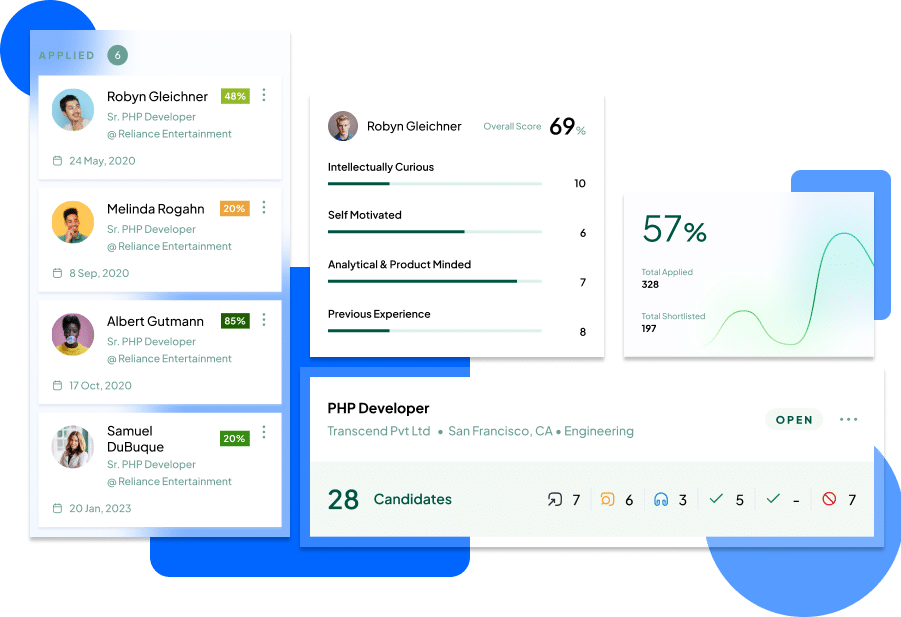


What is a Sales Portal in Business Workflow
A sales portal is a centralized platform that helps you manage leads, deals, and performance from one place. Your team tracks pipeline activity, updates opportunities, and monitors conversions in real time. The system reduces manual reporting, improves visibility, and supports structured workflows. It also provides secure access, performance analytics, and collaboration across sales teams.
Why Businesses Need a Sales Portal
Sales teams handle leads, pricing, approvals, and partner communication daily. Without a centralized system, information gets scattered across emails and spreadsheets. A structured portal connects your data, improves visibility, and keeps your entire sales workflow organized. You gain faster decision making, consistent reporting, and better collaboration across teams. Businesses already investing in Sales Portal Development extend similar functionality for sales operations.
Centralized Sales Data Hub
A unified system stores leads, quotes, proposals, and customer interactions in one place. Your team accesses accurate information without switching tools. This improves coordination between managers and sales representatives while maintaining consistent data across the organization.
Real Time Deal Tracking
You monitor opportunities, approvals, and pipeline movement instantly. Managers get visibility into conversions, stalled deals, and team activity. This helps identify gaps quickly and improves forecasting accuracy for better planning and revenue management.
Automated Sales Workflows
Automation reduces manual follow ups and repetitive tasks. Notifications, approvals, and reporting workflows run automatically. Your sales reps spend more time engaging prospects instead of updating spreadsheets or managing multiple tools.
Seamless Team Collaboration
Sales reps, managers, and partners collaborate inside one platform. Updates, comments, and documents are shared in real time. This eliminates communication delays and keeps everyone aligned on targets and opportunities. Sales reps access data through a dedicated Sales Rep Portal for faster updates.
Data Driven Sales Insights
Built in analytics provide performance tracking and conversion metrics. You evaluate team productivity, channel performance, and revenue trends. These insights support smarter decisions and help improve overall sales efficiency.
Ready to Streamline Sales
A centralized portal improves visibility, automation, and collaboration across your sales operations.
Improve Sales FlowSales Management Portal Features and Tools
A structured sales portal helps you manage leads, monitor performance, and streamline collaboration from one place. Managers track pipelines, sales reps update opportunities, and partners access relevant data in real time. Built in analytics improve forecasting, while automation reduces repetitive tasks. The system standardizes workflows, tracks conversions, and supports integrations with Web Development Services for scalable enhancements.
Lead Management and Opportunity Tracking
A built in lead management system helps you capture, assign, and track opportunities in one place. Sales reps update deal stages while managers monitor progress across pipelines. This structure improves follow ups and reduces missed opportunities. Real time visibility ensures every lead is handled efficiently and aligned with your sales targets.
Sales Forecasting and Analytics Dashboard
Forecasting tools provide visibility into revenue trends and pipeline value. You evaluate deal probability, conversion ratios, and team performance using analytics dashboards. These insights help you plan resources, adjust strategy, and improve accuracy. Reports update automatically so decision making becomes faster and more reliable.
Partner and Distributor Access Control
A distributor sales portal provides role based access for partners. Each user views relevant leads, pricing, and performance metrics. This structure improves collaboration while maintaining data security. You also track partner activity and measure channel performance without manual coordination.
CRM Integration and Data Synchronization
Integration with CRM and ERP systems keeps data consistent across platforms. Leads, contacts, and orders sync automatically. This eliminates duplicate entries and reduces manual updates. Your team works with accurate information while maintaining alignment with existing business systems.
Performance Tracking and Reporting Tools
Performance dashboards track individual and team productivity. You monitor conversions, revenue contribution, and activity levels. Reports help identify top performers and improvement areas. This visibility supports better planning and keeps sales operations aligned with business goals.
Automation and Workflow Management
Workflow automation handles approvals, notifications, and follow ups. Tasks are assigned automatically based on deal stages. This reduces manual coordination and speeds up decision making. Your team spends more time closing deals while the portal manages operational tasks.